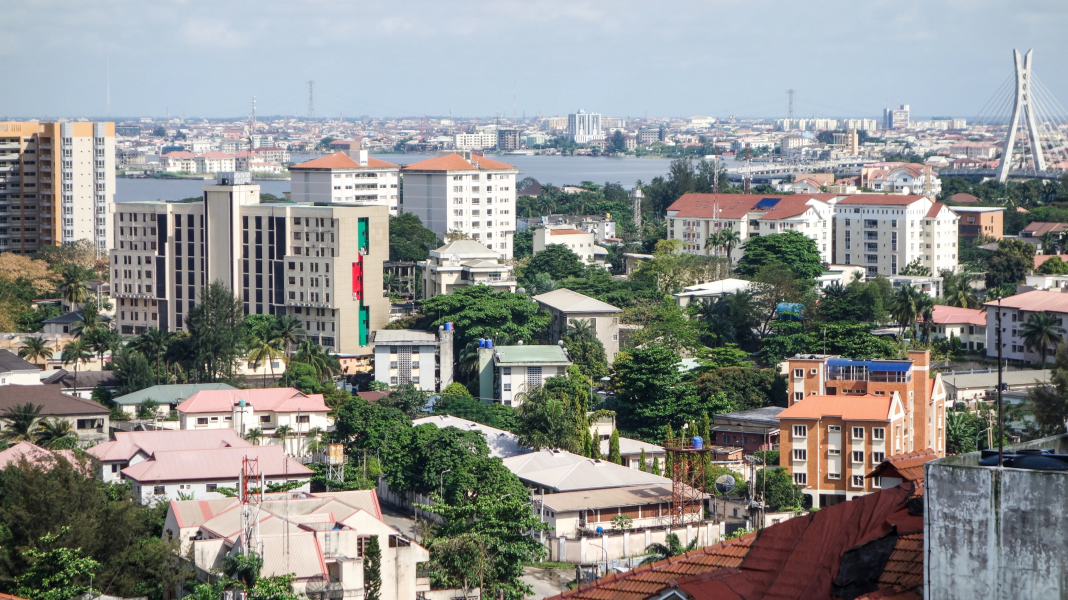
Despite economic challenges, the Nigerian commercial real estate market is witnessing renewed momentum in 2025 — largely driven by technology companies expanding across West Africa. Areas like Victoria Island and Ikoyi are experiencing a resurgence in demand for Grade A office spaces, reversing the slowdown experienced during the 2020–2022 hybrid work shift.
Why the Tech Sector Is Leading
Several key factors explain this rise:
- International expansion.
Foreign-funded startups entering the Nigerian market require high-security corporate-grade spaces. - Hybrid work restructuring.
Companies are shifting from fully remote to structured hybrid systems, which require modern offices. - Data center and fintech growth.
The rise in digital payments, AI startups, and cybersecurity firms requires stable, premium infrastructures.
Occupancy Trends
By early 2025:
- Ikoyi Grade A occupancy has risen to 80%
- Victoria Island is at 76%
- Premium co-working hubs report a 30% spike in bookings
What Developers Are Doing Differently
To attract top-tier tenants, developers now focus on:
- Solar-backed energy systems
- Advanced security and surveillance
- Large parking allocations
- Smart access control
- High-speed internet routing infrastructure
- Green building certification
Co-working Is Also Growing
Startups prefer flexible spaces with month-to-month leases. This trend is pushing operators to expand shared workspaces across Lagos.
In 2025, commercial real estate in Lagos is shifting toward quality over quantity, with tech companies setting the pace.