
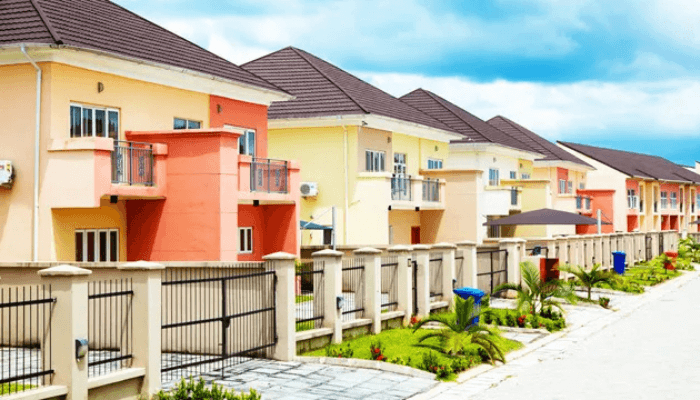
Nigeria’s rental housing market continues to tighten in 2025, with Abuja and Port Harcourt recording some of the steepest increases in rental prices nationwide. A combination of population growth, limited new construction, and rising building material costs has made housing less affordable for many residents.
Cities Most Affected
Abuja:
- Gwarinpa: +20%
- Lokogoma: +18%
- Lugbe: +15%
Port Harcourt:
- Ada George: +16%
- Woji: +15%
- Rumudara: +14%
The rapid rise is pushing families to consider distant suburbs or smaller apartments.
Why Prices Are Increasing
- High construction costs.
Cement, iron rods, tiles, and roofing materials have risen by over 22% since mid-2024. - Slow housing development.
Developers cite funding issues, unstable FX rates, and rising labor costs. - Population inflow.
New businesses and government agencies continue to attract workers to both cities. - Decline in mortgage accessibility.
Most Nigerians still pay multi-year rent upfront due to limited mortgage options.
How Tenants Are Responding
Many renters now prefer:
- Co-living spaces
- Shared apartments
- 6-month rent structures
- Studio and mini-flat units
- Moving farther from city centers
The housing sector needs bold reforms, including increased development incentives, better financing structures, and more public–private partnerships.